
RV Trip Insurance After an Injury: What Wasn't Covered When Our Trip Ended Early

Updated: Aug 16
Why We Thought Our RV Trip Insurance Had Us Covered
I’ve always thought of RV travel as forgiving. If something doesn’t go as planned, you adapt. You change routes, slow down, or extend your stay by a night. That mindset guided our travels for years—until a single misstep changed everything.

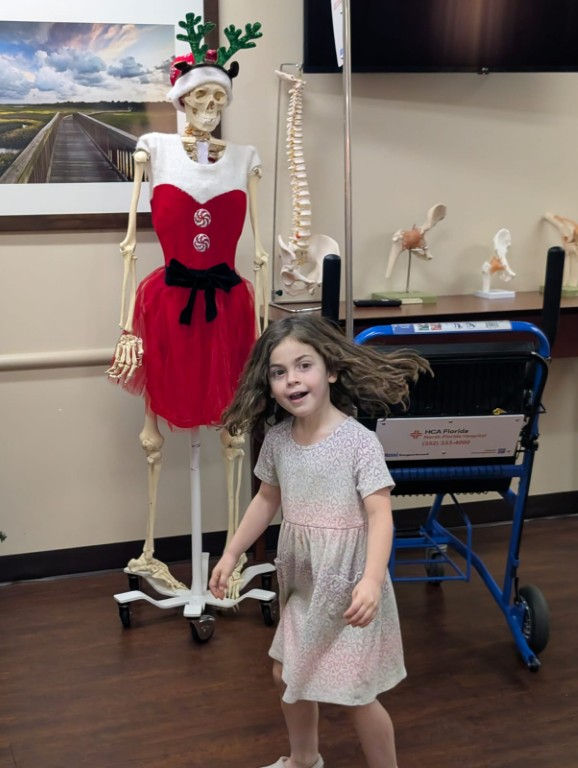
During a winter RV road trip, a sudden accident resulted in a broken knee. In an instant, the itinerary ceased to matter (check out our trip to High Springs that was cut short, which inspired this post about insurance after injury). Where we were heading, what we had reserved, and what we wanted to see vanished from view. What mattered immediately was urgent orthopedic care, pain management, and the logistical puzzle of how our family of six would function when one parent couldn't walk.
Before this trip, insurance lived in our minds as a simple checkbox. We had a good health insurance and held a premium travel credit card (Chase Sapphire Reserve) with robust built-in travel protections. We assumed we were covered.
We weren't. Here is what actually happened, why premium card travel insurance fails on road trips, and what kind of coverage you actually need when traveling across state lines.
Being Injured While Traveling: How One Injury Affects an Entire Family Trip
Being incapacitated on the road is disorienting. A severe mobility injury like a broken knee immediately triggers a cascade of non-medical problems, shifting the entire logistical and parenting load onto your partner:
Solo Family Management: Keeping four kids fed, safe, and calm while one parent is in emergency care.
Logistical Scrambling: Canceling upcoming reservations, extending emergency stays near the hospital, or finding ground-floor lodging accessible with crutches or a wheelchair.
Vehicle Return Dilemma: Figuring out how to get a personal vehicle or rental back home hundreds of miles away while arranging transport for an immobile passenger.
Real-Time Policy Battles: Spending hours parsing insurance policy terms on the phone while coordinating discharge plans and doctors.
The Credit Card Travel Insurance Trap: Why Road Trips Get Denied
Direct Answer: Most premium credit card travel insurances do not cover domestic road trips or peer-to-peer RV rentals because their medical, evacuation, and delay benefits require booking a Common Carrier fare (airline, passenger train, or cruise line).
Like many travelers, we relied heavily on premium credit cards (such as the Chase Sapphire Reserve) for travel protection. While these cards offer stellar protection for international flights and cruise bookings, they contain massive blind spots for domestic road trips and RV rentals.
Coverage Area | Chase Sapphire Reserve Policy Term | Why It Failed on a Road Trip |
Emergency Medical & Dental | Requires booking a Common Carrier fare (plane, train, cruise) with the card. | Denied. Driving your own car, minivan, or RV involves no Common Carrier fare, which voids all medical expense benefits. |
Medical Evacuation & Transport | Requires a "Covered Trip" booked through a commercial licensed travel agency or Common Carrier. | Denied. Booking directly at campgrounds, state parks, or peer-to-peer RV platforms (like RVShare) does not qualify. |
Vehicle Return Transportation | Only covers vehicle return if the trip interruption meets specific commercial travel supplier criteria. | Restricted. We were reimbursed for vehicle return only because the rental was tied to a licensed business entity. Peer-to-peer personal rentals or informal setups are excluded. |
Family Return Flights & Hotel Stays | Only covers change fees on existing common carrier tickets; lodging near hospitals is strictly limited. | Denied. Emergency return flights for the family and hotel stays during hospitalization were out-of-pocket expenses. |
What We Learned: The Three Layers of Protection Every Road Tripper Needs
Whether you are renting an RV or taking a month-long minivan road trip, auto insurance and credit cards leave wide gaps. A complete safety net consists of three layers:
1. Standalone Domestic Travel Insurance (e.g., AIG Travel Guard Preferred)
Dedicated plans define a trip based on dates and distance from home (often 100+ miles), not by how you travel.
Primary Medical Expense Coverage: Pays for emergency treatments, doctor fees, and prescribed physical therapy without requiring a flight booking.
Trip Interruption & Return Airfare: Reimburses prepaid, non-refundable lodging or rental costs and pays for economy one-way flights to bring the injured traveler and family home. (Note: It does not pay to transport your vehicle or RV home—that requires separate coverage).
Family Bedside & Child Escort: Provides funds for a companion's lodging near the hospital and covers the return of unaccompanied minors.
Domestic Rules: Coverage activates once you are 100+ miles from home, and buying within 15 days of your first trip deposit locks in pre-existing medical condition waivers.
2. Medical Transport Memberships (e.g., Medjet, Good Sam TravelAssist, FMCA Assist)
Standard medical evacuation benefits only transport patients to the nearest adequate local hospital. If you are injured in a rural area, you may be treated at a regional clinic far from family.
Evacuation memberships provide transport directly to your home hospital of choice once you are stable.
Many plans include vehicle return dispatch, hiring a driver to bring your personal car, minivan, or RV back to your driveway.

3. Vehicle-Appropriate Roadside Assistance
Credit card roadside perks usually cap towing benefits at $50 and strictly limit vehicle weights to under 10,000 lbs (light duty). For heavy haulers, large vans, or motorhomes, a dedicated roadside plan (like Coach-Net or enhanced auto club tiers) is necessary for full-distance towing and recovery.
Pre-Trip Insurance Checklist for Long Road Trips
[ ] Review Health Insurance Out-of-State Networks: Check coverage terms, copays, and out-of-network rules for urgent care and emergency room visits outside your home state.
[ ] Do Not Count on Credit Card Travel Perks for Driving: Credit card medical and evacuation benefits typically require commercial air/rail/cruise fares.
[ ] Purchase Standalone Travel Insurance Early: Buying a policy like AIG Travel Guard within 15 days of your first trip deposit ensures coverage for pre-existing medical condition waivers.
[ ] Verify Peer-to-Peer Rental Terms: If renting vehicles via Turo or RVshare, purchase protection directly through the platform rather than assuming third-party credit card coverage applies.
[ ] Centralize Important Documents: Keep digital and printed copies of insurance cards, roadside service numbers, and vehicle registrations accessible to both adults in the travel party.
Travel Insurance - FAQs
Does credit card travel insurance cover road trips and RV rentals?
Generally, no. Premium travel credit cards (like Chase Sapphire Reserve) require a Common Carrier ticket (commercial flight, train, or cruise) to activate emergency medical, cancellation, and evacuation coverages. They also exclude RV rentals and peer-to-peer vehicle sharing from rental collision protection.
Does travel insurance cover driving your RV or car back home after an injury?
Standard travel insurance plans (like AIG Travel Guard) cover emergency flights home for people, but do not pay for vehicle return transport. Returning an RV or personal vehicle requires a dedicated medical membership (like Medjet, Good Sam, or FMCA Assist) or an auto assistance package that dispatches a driver.
📘 Want a full RV trip planning roadmap? My First Time RV rental guide walks you step-by-step through rentals, hookups, budgeting, packing, and what first-time renters usually miss.
🏔️Curious about RV Travel with your family? Read through our comprehensive RV Trip Planner Guide Article and use our RV Planning Calculator (downloadable xls file) is an excellent way to explore the costs of your next RV family adventure!
📦 Want to skip the “what did we forget?” moment? My RV packing list covers the essentials, the comfort upgrades, and the small items that make daily life on the road smoother.
🏓If you're looking to keep your kids entertained with something other than screens, on long road trips or on downtime, read through our Road Trips Games for Kids article, to find experience-based hand-picked games that truly worked for us!


Comments